
Why Linking Just a File Isn’t Enough Anymore: The Rise of Contextual Content Portals
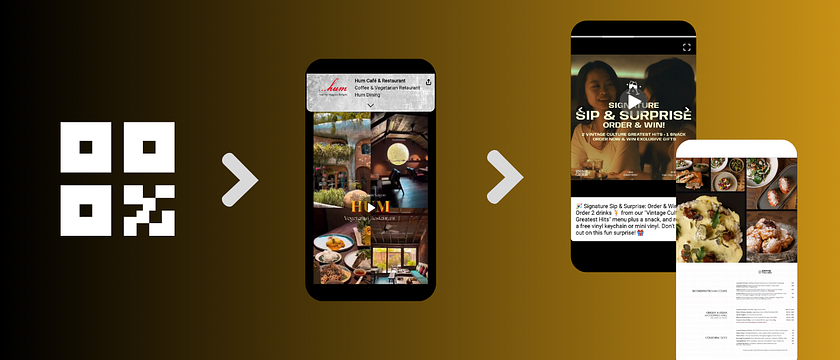
We've all done it: sending a link and hoping for the best.
Maybe you've sent a link to a Google Drive folder. Or a Dropbox file. Or even a YouTube video. You thought, "This should do the job."
But the person on the other end? They open it, get lost, close it. No follow-up. No engagement. No context.
The problem isn't that the content isn't there. It's that the link often gives people no reason to care about it, no explanation of what they're looking at, and no direction about what to do next.
A link tells people where to go. Context tells them why they should go there.
That's the problem with linking to a file. You're handing over raw material and expecting the recipient to figure it out themselves.
In today's digital-first world where attention spans are short and content overload is real, context is everything.
The Real Problem: Links and Files Are Just Islands
QR codes exploded in popularity during the pandemic, menus, tickets, vaccination records, but their use has barely evolved.
A QR code solved the first part of the journey: getting someone from a physical touchpoint into the digital world. But what happens after the scan is just as important.
If you're a creator, small business owner, or brand today, your digital presence isn't one file. It's a story made up of:
- Video and interactive media
- PDF files for menus, brochures, catalogs
- Product links
- Registration or booking forms
- Customer testimonials
- Embedded media and CTAs
- Social media accounts
Some people send these separately and hope they don’t get lost. Others zip them into a cloud folder and hope the user figures it out. That’s like handing someone a USB stick and walking away.
The same problem appears with a link-in-bio: a collection of links may give people plenty of choices, but little context about which one matters, why they should click it, or what they should discover first.
And with most QR code tools, you’re stuck with one code → one asset. It’s clunky. Fragmented. Easy to ignore.
The problem isn't simply having too few links. It's having too little context between the first moment of attention and the action you want someone to take.
A New Solution: One QR Code. One Contextual Experience.
This is where content portals come in: digital destinations that bring content together with context, story and direction.
Instead of sending someone directly to a file, video, form or collection of links, a content portal can create an experience around that content.
That's where Netblitz comes in with our content portals, designed as interactive digital experiences for storytelling, discovery, engagement, and action.
Imagine this:
- You scan a single QR code
- It opens not a static file, but a fully customizable Netblitz portal
- The portal works like a lightweight microsite, but the focus isn't simply on presenting information. It's on creating a contextual experience around the content
- The portal can bring together PDFs, videos, call-to-action buttons, social links, galleries, forms, and other interactive content
- You guide the viewer: “Start here,” “Watch this,” “Download that,” “Register now”
The difference is subtle but important: you're no longer simply sending someone somewhere. You're helping them discover what matters and understand where to go next.
The QR code is the doorway. The content portal is the experience inside.
No app, no coding. Just a more contextual way to turn a physical or digital touchpoint into an interactive digital experience.
Why QR Codes and Content Portals Are the Ultimate Pairing
Think about how users engage in real life:
- They scan a product label in-store
- They see a flyer at a market stall or pop-up
- They get handed a business card
- They attend an event with digital follow-ups
Each of these should be a portal, not a dead-end link.
The QR code gets attention and opens the door. The experience determines whether that attention becomes discovery, engagement, or action.
A Netblitz content portal allows you to turn that entry point into a contextual experience that can:
- Group multiple files into one experience
- Explain why those files matter
- Embed videos, forms, and CTAs
- Use different types of content to tell a story
- Customize per context: event, product, person, moment
- Update content in real-time without changing the QR code
- Guide people toward the next step instead of leaving them to figure it out themselves
Unlike static landing pages or link-in-bio tools, Netblitz portals are designed to bring content, context and interaction together in a guided experience.
Think of It This Way…
- Dropbox = A digital folder
- Google Drive = A place to store files
- A link-in-bio = A collection of destinations
- Netblitz = A discovery and experience layer for turning content into a guided digital experience
Anyone can drop a link. But if you want action, registration, downloads, engagement, you need to guide the viewer. Help them understand what they're looking at, why it matters, what they can explore, and what they can do next.
Traditional file links are like sending someone into a library with no map. Content portals are like walking them straight to the exact shelf and handing them the book, with sticky notes already marking key pages.
The difference is not simply organization. It's context. The content has a story, the audience has a path, and the next action becomes clearer.
Who This Is Already Changing Things For
Take an independent creator or coach: offerings, testimonials, videos, and payment links, curated as a personal hub instead of scattered across five different apps. Instead of simply presenting a list of links, a content portal can introduce the creator, tell their story, showcase their work, and guide visitors toward the next step.
A small restaurant or retail shop can do the same with menus, feedback forms, promos, and videos, all behind one QR code on the table or the window. The QR code doesn't have to be the destination. It can be the beginning of an experience that helps customers discover the menu, explore the story behind a product, see what's new, and take action.
Even a photographer handing out a business card can turn that single card into a full portfolio, booking form, and testimonial reel with one scan. The card gets attention. The portal creates the experience.
(Marketers, event planners, and real estate professionals are finding uses for this too, but the shift starts here: with the people who are the story, not just the ones running the campaign.)
Why This Matters for the Future of Digital Engagement
The internet trained us to think in silos: one file, one page, one link. But content doesn’t convert, context does. But audiences increasingly expect to discover, explore and interact, not simply open another destination.
People don't want data. They want direction. They want to understand why something matters and where to go next.
That's the opportunity behind contextual content portals: bringing content together in a way that creates discovery and helps guide the audience journey.
If you’re still sharing:
- A single file
- A boring folder link
- Or QR codes that do only one thing
- A collection of links with no context or story
…you’re missing the opportunity to turn every scan, every click, and every touchpoint into a guided digital journey.
Netblitz sits in that space between the initial touchpoint and everything that happens next, helping turn attention into discovery, interaction, engagement and action.
Don't just give people a link. Give them a reason to explore. That's the difference between sending content and creating an experience.